
Understanding the Ecological Consequences of Removing Tree Stumps
Tree stumps left after logging or natural events can impact both the landscape and ecosystem. While sometimes they are harmless, in other cases, removing them becomes necessary to maintain safety or prepare land for new uses. This practice, known as stump grinding and removal, has its own environmental effects that need careful consideration. By exploring these impacts, you can make informed choices about managing tree stumps on your property.
Why Consider Stump Removal?
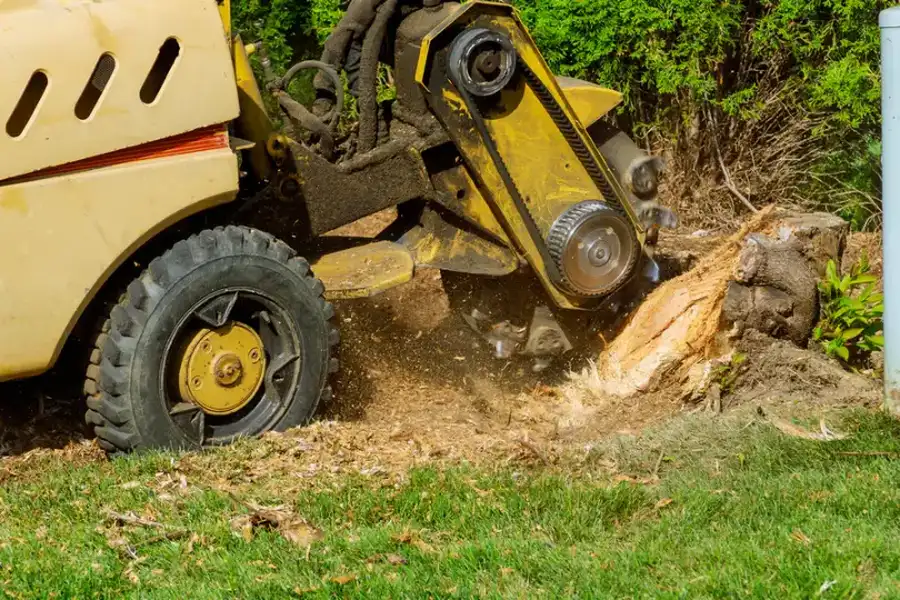
Stumps can create various problems if not dealt with properly. They often become a breeding ground for pests like termites and ants. These pests may eventually spread to nearby healthy plants or even structures. Additionally, stumps can pose tripping hazards and interfere with landscaping projects. Removing them can mitigate these risks while improving the aesthetic value of your property.
Environmental Pros of Stump Removal
Removing tree stumps provides several ecological benefits. It helps prevent the spread of diseases that could affect nearby trees. By eliminating stumps, you also reduce habitats for pests that might harm other vegetation. Furthermore, clearing stumps encourages new growth by making space for planting new trees or shrubs, contributing positively to local biodiversity.
Challenges of Stump Grinding Techniques
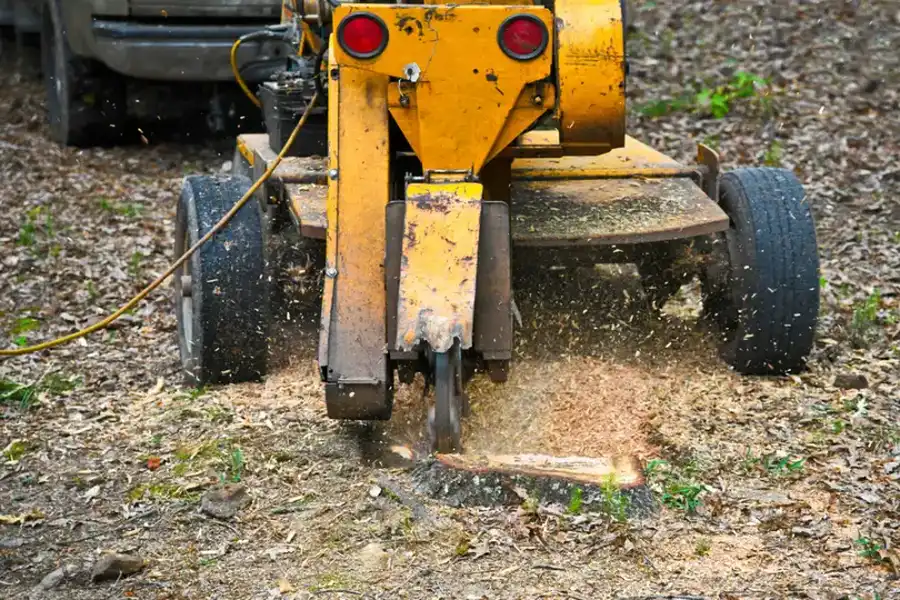
While stump grinding is effective, it does come with some challenges. The process typically requires heavy machinery, which can contribute to soil compaction. Compacted soil affects water absorption and limits root growth for future plantings. Additionally, using gas-powered equipment emits carbon dioxide, adding to air pollution. Balancing these factors is essential when considering stump grinding.
Alternative Methods to Reduce Environmental Impact
If you’re concerned about environmental effects, alternative methods exist for stump removal. One option involves using organic materials to hasten decomposition naturally. Another approach is manually digging out the stump, though this method demands significant labor and time. Employing these techniques can minimize ecological footprints compared to mechanical grinding.
Best Practices for Eco-Friendly Stump Management
- Select methods that align with your environmental values.
- Assess the necessity of complete removal versus natural decay.
- Consider hiring professionals who use eco-friendly machinery.
- Plan for replanting native species post-removal.
Cost Implications of Different Removal Methods
The cost of stump removal varies based on the technique used and stump size. Mechanical grinding tends to be more expensive but quicker than manual methods. Consider long-term savings from reduced pest control needs when evaluating costs. Budgeting for professional services ensures the job is done effectively and safely.
Make an Informed Decision Today
Understanding the environmental impact of stump grinding and removal allows you to choose the best approach for your landscape needs. Whether through traditional methods or sustainable alternatives, prioritizing the health of your ecosystem will lead to better outcomes. If you’re ready to address your stump concerns, get in touch with our team at Burlington Pegram Tree Service for expert advice and service solutions. Call us today at (336) 791-8701, and let us help you create a safer and more beautiful environment in Burlington, NC.